Cart
0
A Color Story in
Blue, Green & Wine
From the cool clarity of aquamarine to the deep warmth of garnet and the organic character of malachite, natural stones offer an entire palette for personal style. The most interesting combinations often begin with color — then evolve through texture, proportion and contrast.

The Color Edit
A closer look at the tones, textures and styling possibilities found in natural gemstone jewelry.
01 / PALETTE
Color is the first impression, but texture is what makes it memorable.
Natural gemstones create a visual vocabulary that changes with light. A pale blue stone can appear almost translucent beside white clothing, while the same stone can feel richer and more saturated when paired with darker tones. This shifting quality is one of the reasons gemstone jewelry remains so visually engaging.
Blue / The Airy Chapter
Aquamarine is naturally suited to understated styling. Its blue tones can feel cool, clean and almost weightless, making it particularly easy to combine with white, ivory, light denim, soft gray and other quiet neutrals.
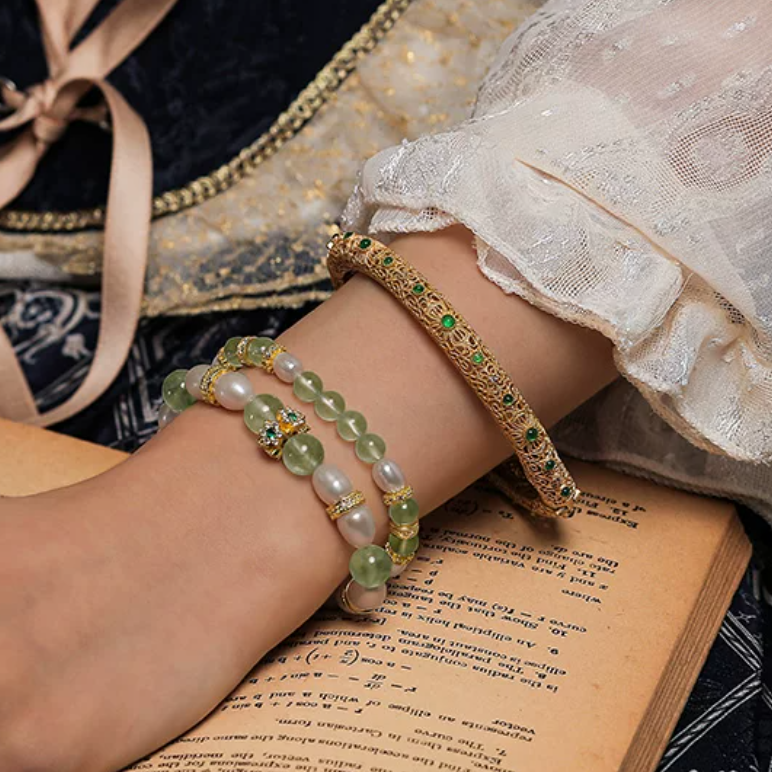
For everyday jewelry, a blue gemstone bracelet can become the central color note without demanding attention from the rest of an outfit. When layered with delicate metal pieces or freshwater pearls, the result feels polished without appearing overly formal.
The appeal of blue stones is also their versatility. They can accompany relaxed daytime clothing just as naturally as they can complement a refined evening look.
Stone Note 01
Aquamarine
Pale blue tones with a naturally fresh and transparent visual quality.
Stone Note 02
Blue Crystal Accents
Ideal when a look needs a cooler color note without becoming visually heavy.
Styling Note
Pair with Pearl
Soft white pearl surfaces can balance blue gemstones and create a refined contrast.

Quiet tones · organic surfaces

A study in color, proportion and texture
02 / CONTRAST
When deeper colors enter the palette, the mood changes.
Garnet, amethyst and malachite introduce stronger visual weight. They can make a simple bracelet feel more expressive, particularly when used against a restrained wardrobe.
Wine / Green / Violet
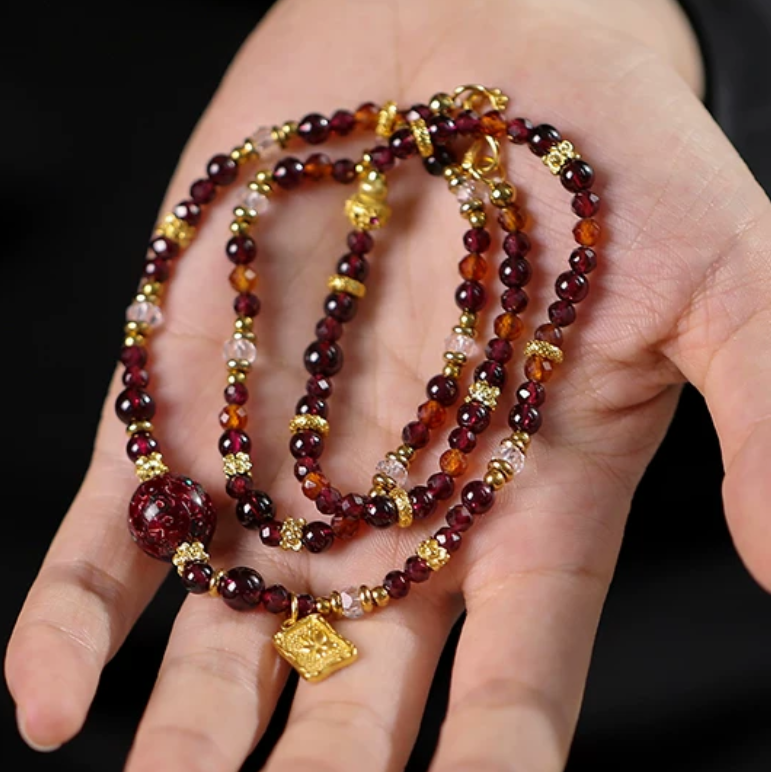
Deep garnet tones have an almost wine-like character. They work particularly well with cream, black, chocolate brown, charcoal and other muted shades. Rather than treating garnet as an occasional statement color, consider it a sophisticated everyday accent.
Malachite takes a different direction. Its green character feels organic and expressive, making it an interesting companion to natural fabrics, warm neutrals and vintage-inspired styling. The variation within the stone can also create movement when several beads are placed together.
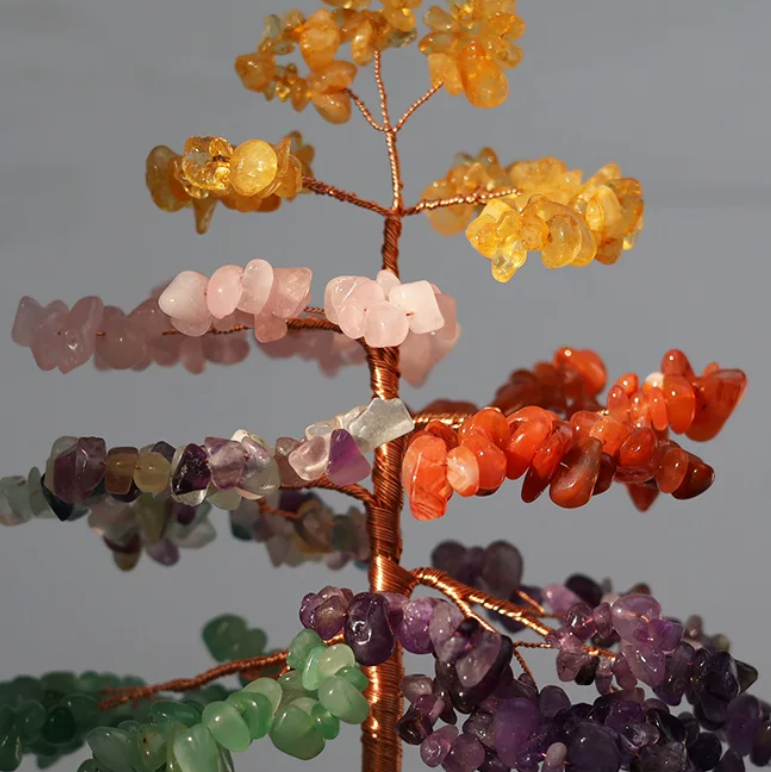
Amethyst introduces violet into the palette. Depending on the surrounding colors, it can appear soft and romantic or deeper and more dramatic. Combined with pale crystal or pearl, it becomes especially easy to wear.
Color Note
Garnet · Deep Wine
A richer accent that works beautifully with neutral wardrobes and vintage-inspired pieces.
Color Note
Malachite · Botanical Green
An expressive natural green that introduces depth and organic character.
Color Note
Amethyst · Layered Violet
A versatile purple tone that can be delicate, romantic or dramatic depending on the styling.
03 / THE ART OF LAYERING
Layering works best when every piece has a different role.
Stacking jewelry is not simply about wearing more pieces. The most balanced combinations usually contain contrast: one piece may provide color, another texture, and another a small metallic detail that connects the whole arrangement.
Gemstone bracelets are especially flexible because their bead shapes and colors naturally create visual rhythm. Instead of choosing three pieces that look almost identical, experiment with one dominant bracelet and two quieter companions.
01 — One focal color
Choose one stone color to become the visual center of the combination.
02 — One neutral layer
Pearl, clear crystal or a simple metal piece can create breathing room between stronger colors.
03 — Vary the scale
Combining different bead sizes can make a layered arrangement feel more intentional.
04 — Leave visual space
Not every part of the wrist needs to be covered. A little negative space keeps the look elegant.
Natural color does not need to be perfect to be beautiful. Its small variations are often what give a piece its personality.
Driftwoodlane · Natural Stone Journal04 / EVERYDAY STYLE
From quiet mornings to evening gatherings.
A well-selected gemstone bracelet can travel through different parts of the day with almost no adjustment. The key is to let the stone's natural color complement your clothing rather than compete with it.
DAILY FORMULA
Four simple ways to wear natural stones.
Soft Neutrals
Pair aquamarine or pearl with cream, ivory and light gray for an understated daytime combination.
Dark Contrast
Let garnet, amethyst or deep green stones become a subtle focal point against black or charcoal.
Natural Textures
Linen, cotton, knitwear and other tactile fabrics create a natural setting for gemstone jewelry.
Layered Evening
Combine one colorful gemstone piece with pearl or delicate metal jewelry for added depth.
The goal is not to create a perfectly matched set. It is to create a combination that feels naturally connected — through color, proportion or texture — while leaving enough room for each individual piece to be appreciated.